Spring brings longer days, blooming flowers, and plenty of sunshine. But if you’re one of the millions of people who suffer from hay fever, it also brings something else: red, itchy, and aggressively watery eyes.
When pollen levels spike, your eyes are often the first things to react. Airborne irritants get caught on the breeze, triggering sensitivity that can make stepping outside feel like a chore. While you can't control the pollen count, you can control how you protect yourself.
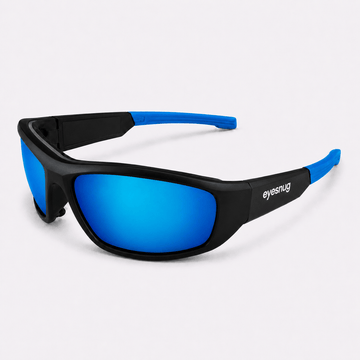
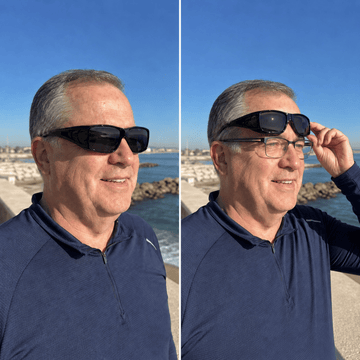
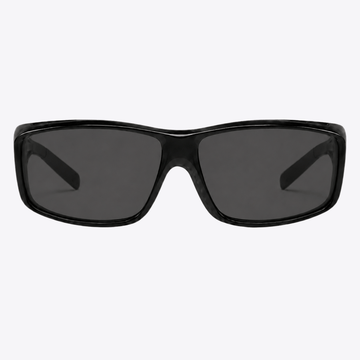
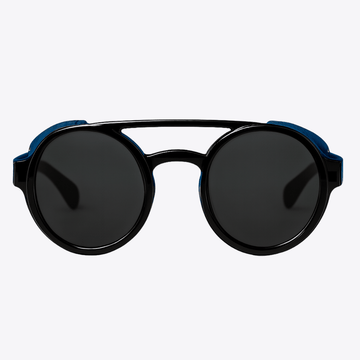
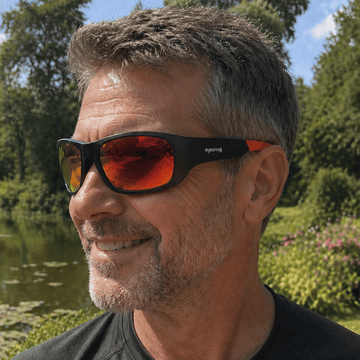
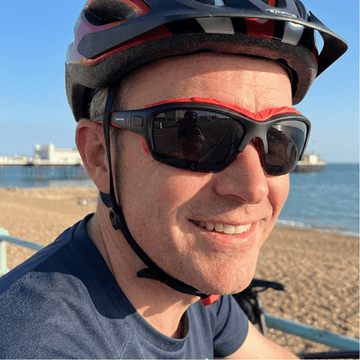
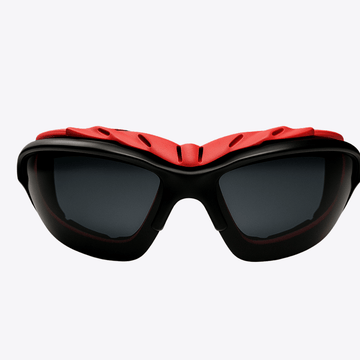
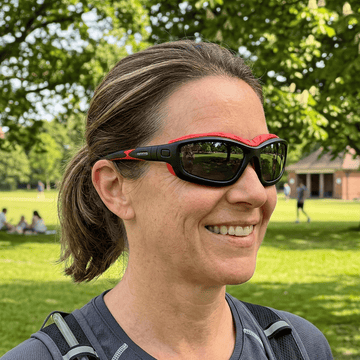
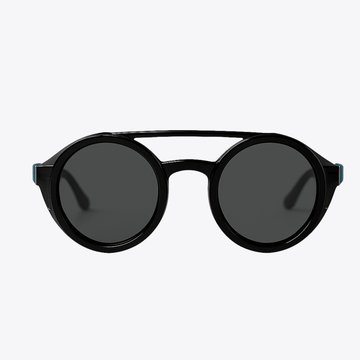
Looking for pollen-season eyewear? Compare Eyesnug hayfever sunglasses and pollen glasses, designed to sit close and help reduce direct pollen exposure around the eye area outdoors. Eyewear does not cure or treat hay fever or allergies.
💧 1. Hydrate Inside and Out Allergy medications (like antihistamines) are fantastic for stopping sneezes, but they have a known side effect: they can dry out your eyes, making them feel even more gritty and irritated. Make sure you are drinking plenty of water throughout the day. You might also want to keep a bottle of preservative-free, lubricating eye drops handy to flush out any stray pollen and soothe dryness.
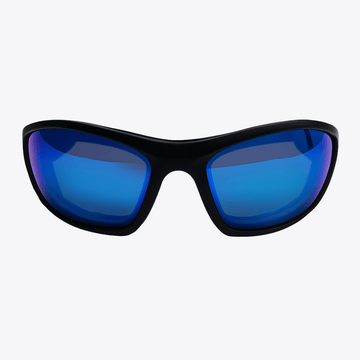
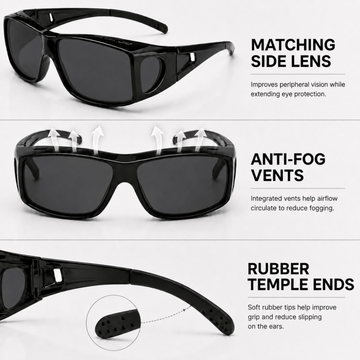
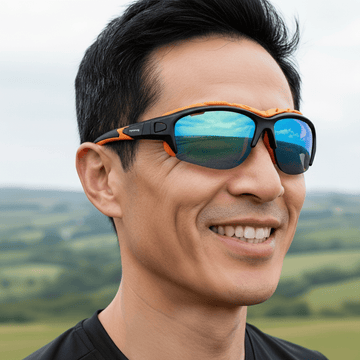
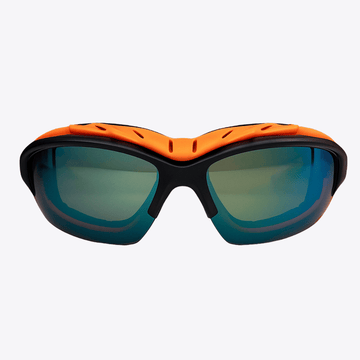
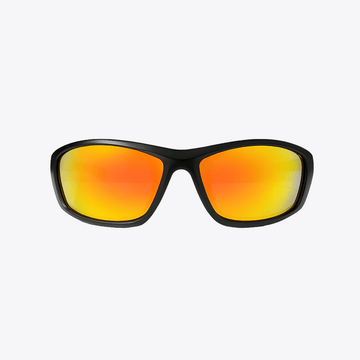
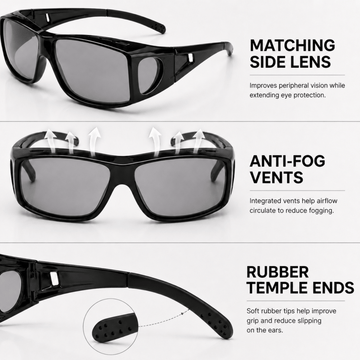
🕶️ 2. Wear Wraparound Sunglasses (Your First Line of Defence) The absolute best way to keep pollen out of your eyes is to create a physical barrier. Standard sunglasses leave gaps at the top and sides, allowing wind and airborne debris to swirl right in.
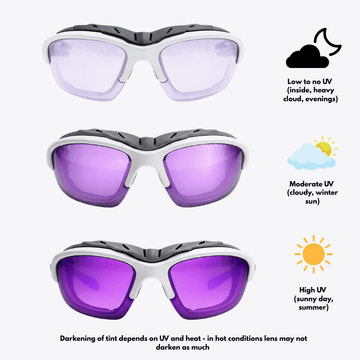
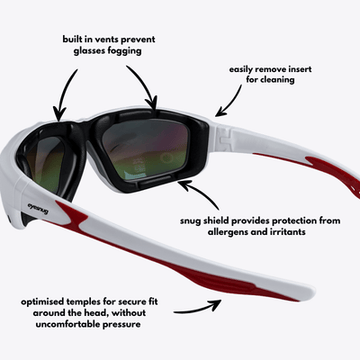
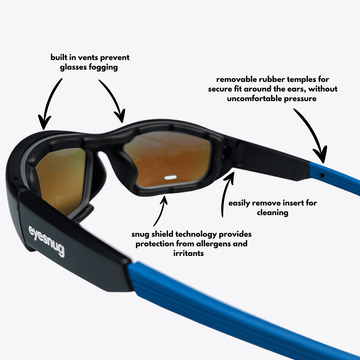
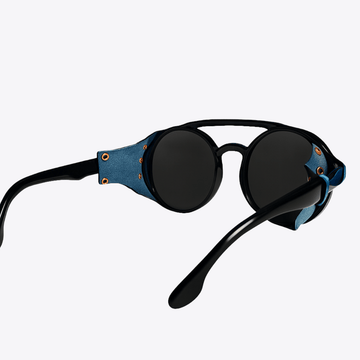
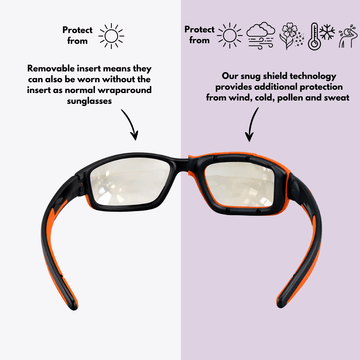
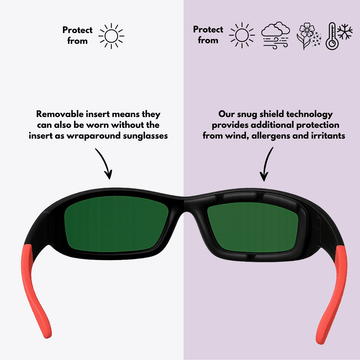
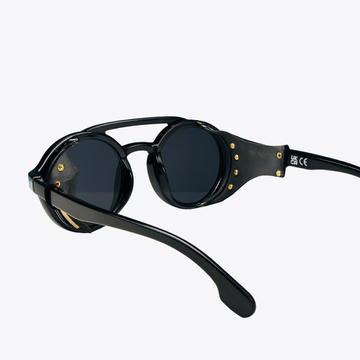
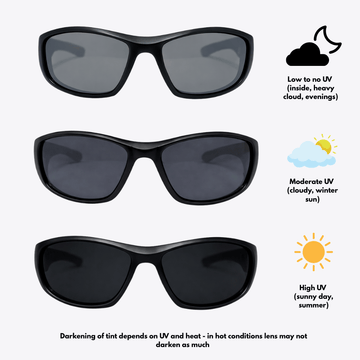
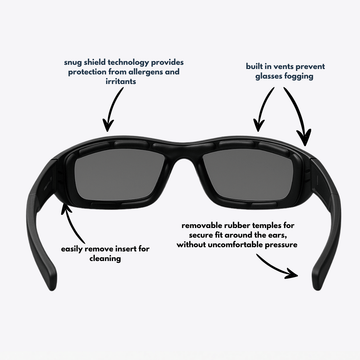
A close-fitting, wraparound pair of sunglasses blocks the breeze from multiple angles, significantly reducing the amount of pollen that reaches your eyes. Our lightweight frames are designed to help protect your eyes from seasonal irritants through are snug shields

🕒 3. Time Your Outdoor Treks Pollen levels aren't static throughout the day. They typically peak early in the morning as the air warms up, and again in the early evening as the air cools down and pollen settles back toward the ground. If your eyes are highly sensitive, try moving your outdoor activities or daily walks to the middle of the day or early afternoon when pollen counts tend to be lower.

🍯 4. The Petroleum Jelly Trick It sounds overly simple, but this classic tip recommended by healthcare professionals actually works: dab a tiny amount of petroleum jelly (like Vaseline) around your nostrils before you head outside. It acts as a trap, catching pollen particles before you can breathe them in, reducing your overall histamine reaction.
🧼 5. Keep Your Sunglasses Clean Your sunglasses are working hard to catch pollen so your eyes don't have to - which means the lenses and frames are likely covered in it by the time you get home. Get into the habit of giving your eyesnug frames a quick wipe down with a damp microfibre cloth after wearing them. And for the Originals and Pursuit remove the Snug Shield to help wipe down. If you skip this step, the trapped pollen will just sit right next to your eyes the next time you put them on!

🚿 6. Wash Away the Day Pollen is notoriously sticky. It clings to your hair, eyelashes, and clothing, meaning you can easily carry the problem indoors with you. If you’ve spent a significant amount of time outside on a high-pollen day, take a quick shower and change your clothes as soon as you get home. It stops the irritants from transferring to your furniture and bedding.
🪟 7. Rethink How You Cool Your Home It’s tempting to throw the windows wide open on the first warm day of spring, but on breezy, high-pollen days, this just invites irritants directly into your living space. Keep windows closed during peak pollen hours. Additionally, avoid hanging your laundry outside to dry - wet clothes act like a magnet for pollen, which you’ll then be wearing directly against your skin.

🌸 Final Thoughts Hay fever doesn't have to keep you trapped indoors. By being mindful of the weather, maintaining a pollen-free home environment, and acting defensively with the right eyewear, you can take back your spring.
Ready to build your barrier against the breeze?